

Conditioning & Mixing Tank Agitators – Mining & Mineral Processing
In the dynamic realm of mining and mineral processing, the

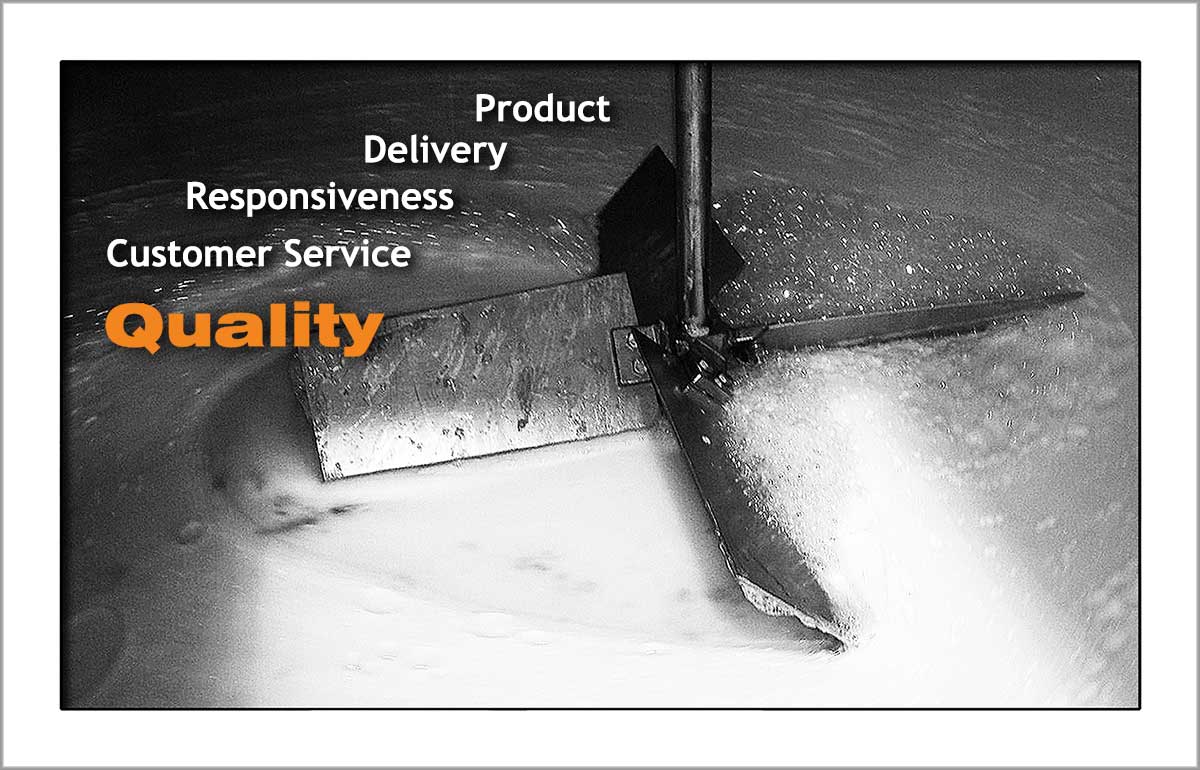
We first mentioned impellers in our blog discussing 4 factors for configuring your mixer. In this post, we will look more closely at impeller types and their applications.
The impeller is the component of a mixer that does the actual mixing and produces the results. That’s because when it rotates, it creates fluid flow and shear patterns. While there are many types of impellers, there are 4 main types we use when engineering mixers.
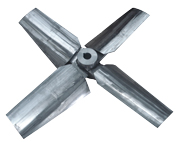
Generally most efficient because it produces the maximum pumping with the lowest shear.
 |
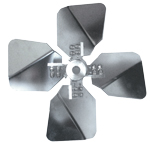 |
| Standard Dynaflow™ | High Solidity Dynaflow™ for Gas Dispersion |
Ideal for viscous mixtures and for applications requiring a combination of pumping and shearing.
 |
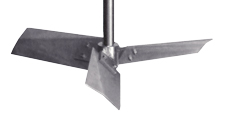 |
| Standard Pitch P4 | Modified High Efficiency Pitch |
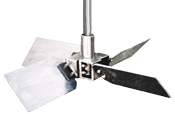
Ideal for applications where shear is the primary requirement, or where agitation close to the bottom of the tank is desired.
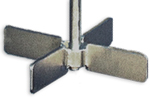 |
| Radial Blade |
Ideal for low-viscosity, high-speed direct drive mixers.
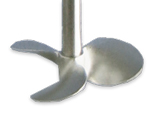 |
| Propeller Blade |
The mixer you need depends on your process and the chemicals you use in that process. If you’re interested in learning more about mixing solutions for your process, post a comment or email us at info@dynamixinc.com.
In the dynamic realm of mining and mineral processing, the
Mining operations are essential for meeting the world’s resource needs, yet they
Water treatment is a complex yet vital process that ensures
 Call Now Toll Free