

Conditioning & Mixing Tank Agitators – Mining & Mineral Processing
In the dynamic realm of mining and mineral processing, the

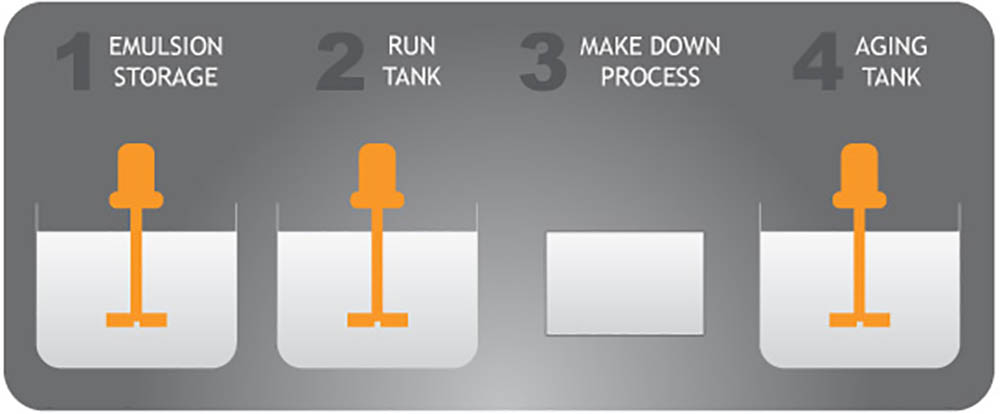
If you’re in an industry that includes fluid mixing in its processes, you probably know that finding the right fluid mixer for your needs is critical to maintaining quality control, reducing costs, and optimizing efficiency.
The key here is to engineer a fluid mixer that addresses the specific needs of your process. When configuring a mixer for your process, your mixing engineer should consider the following 4 factors:
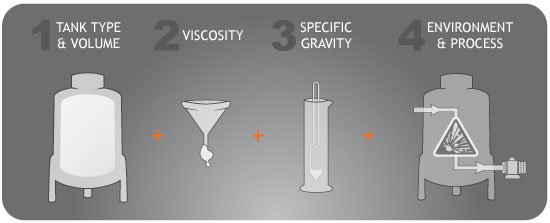
This determines the amount of fluid your tank can hold. This is important because it will determine the size and position of the fluid mixer and its mounting.
This is “thickness” or “internal friction” of your fluid. It’s important because it will determine the impeller and horse power configurations.
This is the density of the solid in comparison to water. It’s important because it will determine the type of pumping action that is required to adequately mix your fluid.
This is the setting where your mixing will take place. It’s important because it can determine the type of power source and finishes.
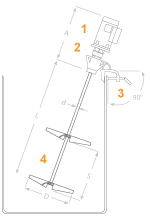 With this information in hand, your mixing engineer should configure a mixer with the following qualities:
The fluid mixer you need depends on your process and the chemicals you use in that process. If you’re interested in learning more about mixing solutions for your process, post a comment or email us at info@dynamixinc.com.
In the dynamic realm of mining and mineral processing, the

Mining operations are essential for meeting the world’s resource needs, yet they

Water treatment is a complex yet vital process that ensures
 Call Now Toll Free