- Q: What are the three main classifications of industrial mixing?
A: Industrial mixing is divided into liquid-liquid, liquid-solid, and gas-liquid mixing. Each classification focuses on how materials interact—whether they are being dissolved, suspended, or emulsified—and determines the type of mixer and process parameters required.
- Q: What is liquid-liquid mixing, and where is it used?
A: Liquid-liquid mixing involves blending two or more liquids. When liquids are miscible, they form a single uniform solution (like flavored beverages or solvents). When immiscible, they require specialized equipment—such as high-shear mixers, or high intensity —to form stable emulsions found in food dressings, cosmetics, and chemical coatings.
- Q: What is the difference between miscible and immiscible mixing?
A: Miscible liquids—such as water and alcohol—combine easily into a homogeneous solution. Immiscible liquids, like oil and water, do not mix naturally and require mechanical shear or emulsification to create stable blends. High-shear mixers are typically used for these processes.
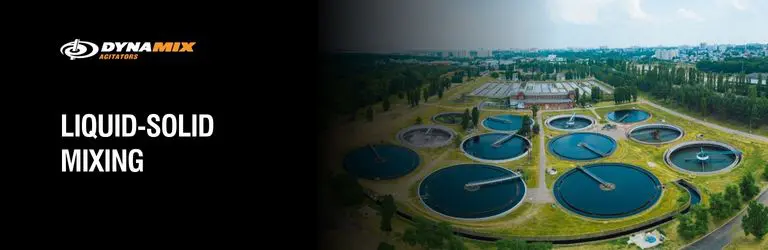
- Q: What does liquid-solid mixing involve?
A: Liquid-solid mixing is the process of dissolving or suspending solid particles in a liquid medium. Some solids, like sugar or salt, dissolve completely, while others—such as pigments in paints or minerals in slurries—must be kept suspended by agitation to prevent settling.
- Q: How do mixers help in suspending solids in liquids?
A: Mixers designed for solid suspension create flow patterns that lift and circulate solids evenly throughout the liquid. This ensures consistent product quality in industries such as paint manufacturing, wastewater treatment, and mining.
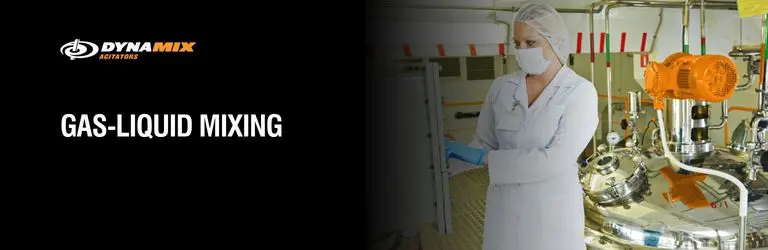
- Q: What is gas-liquid mixing, and why is it important?
A: Gas-liquid mixing disperses gas into a liquid to promote chemical or biological reactions. It’s essential in processes like fermentation, carbonation, and chemical gas absorption, where efficient gas transfer improves yield and consistency.
- Q: How do bubble size and flow patterns affect gas-liquid mixing?
A: The bubble size and flow dynamics determine how efficiently gas interacts with the liquid. Smaller, evenly distributed bubbles increase surface contact and transfer efficiency—key to optimizing reactions in fermentation or hydrogenation processes.
- Q: Why is it important to understand mixing classifications before selecting equipment?
A: Knowing your mixing classification ensures the right mixer type, impeller design, and operating speed are chosen for your process. This improves efficiency, consistency, and scalability, while reducing energy costs and product defects.
- Q: How do mixing classifications affect process scalability?
A: Correctly classified mixing processes allow lab-scale results to be replicated in full production. This consistency is vital for maintaining quality control and regulatory compliance in industries like food, pharmaceuticals, and chemicals.
- Q: How does Dynamix support customers with mixing classification needs?
A: Dynamix Agitators engineers custom mixing systems designed for specific mixing classifications—whether liquid-liquid, liquid-solid, or gas-liquid. Their expertise ensures scalable, efficient, and compliant solutions for diverse industrial applications.